Ostara: Put Soil Biology To Work For Your Fertilizer Investment
43 Views
Put Soil Biology To Work For Your Fertilizer Investment
By Dr. Shawn Semones, technology advisor for Ostara
Every fertilizer dollar should help your crop perform. But getting nutrients into the field is only the beginning. The real opportunity is keeping those nutrients available and helping the crop access them throughout the growing season. That is why I believe the relationship between fertilizer, roots, and soil biology deserves more attention when growers build their fertility programs.
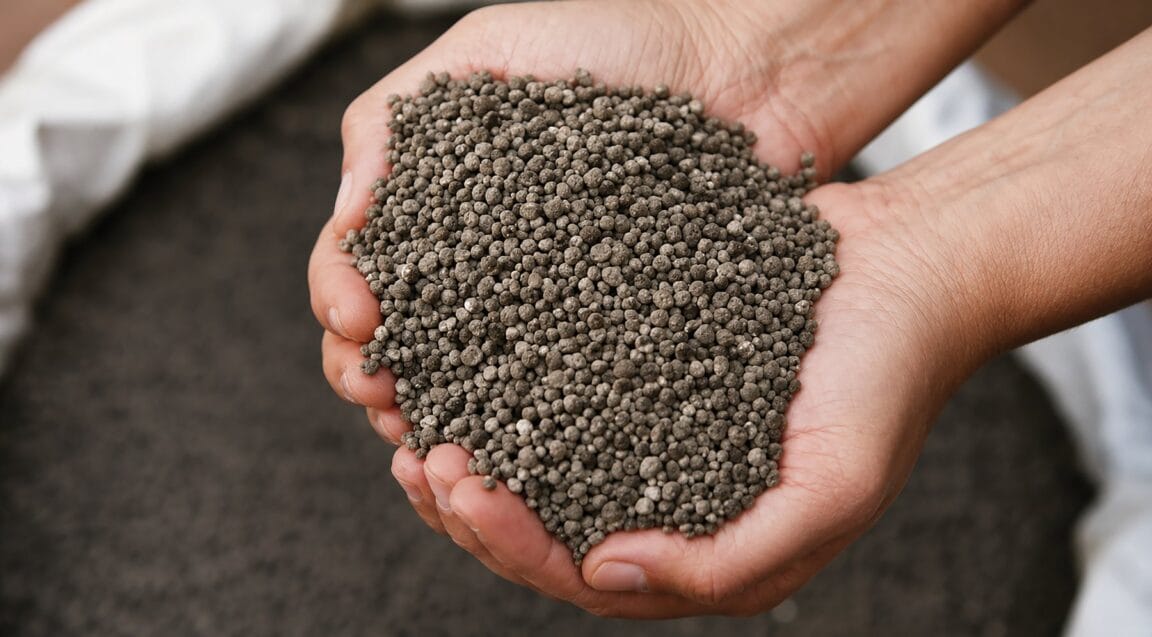
CG P2X from Ostara brings that relationship into focus. With a 9-42-0 analysis plus 9% magnesium, it delivers nitrogen, phosphorus, and magnesium in one granule. CG P2X research shows 95% of its nutrients are available to the crop in the first year. Its value begins with a different approach to nutrient release, one that works with roots and the biological activity surrounding them.
I have spent much of my career working with soil biology. What continues to interest me is how closely crop nutrition depends on the living community beneath our feet. Bacteria, fungi and other microorganisms help transform and move nutrients. They are active participants in the fertility program, and fertilizer choices should account for their contribution.
Much of this activity occurs in the rhizosphere, the soil immediately influenced by plant roots. Root exudates include sugars, amino acids, organic acids (such as citrate and malate), phenolics, mucilage, enzymes, and signaling molecules. Microorganisms break down organic matter and mobilize them into forms the crop can use. Together, these processes support nutrient access as the plant grows.
Every fertilizer dollar should help your crop perform.
Phosphorus makes this relationship especially important. It supports energy transfer, root development and grain production, yet it moves only short distances through soil. It can also react with calcium, iron or aluminum and become less available. That means the phosphorus a grower pays for and applies may be difficult for the crop to reach when demand increases.
CG P2X is designed to address that availability challenge. Its granules do not dissolve readily in water like conventional soluble phosphate fertilizers. Instead, organic acids and localized acidity associated with roots and microbial activity help mobilize the nutrients. This release mechanism is central to the product’s ability to support nutrient availability throughout the season.
When I describe that process as demand-driven, I include both the crop and its surrounding biological community (i.e., the microbiome). Roots and microbes contribute to nutrient cycling and mobilization by creating the conditions that dissolve the CG P2X granule. The opportunity extends beyond releasing nutrition: the same living system helps capture nutrients and transfer them to the plant.
Mycorrhizal fungi are a particularly valuable part of that system. These beneficial fungi form relationships with many crops and extend fine threads, called hyphae, into the soil. Those threads explore spaces roots cannot readily reach and access phosphorus beyond the area immediately surrounding the root. In this symbiosis, the plant supplies carbon, and the fungus helps supply nutrients and water.
That is why compatibility with soil biology matters to me when evaluating fertilizer technology. CG P2X offers a low salt index and a release profile designed to work with these natural processes. Its magnesium component adds another benefit: magnesium is essential to chlorophyll, helping plants capture sunlight for photosynthesis. Each nutrient in the granule has a role in crop performance.
The performance results discussed in our webinar make this approach compelling. Across the trials presented, CG P2X applied at half the standard fertilizer product rate delivered equal or better performance in the majority of comparisons (i.e., >70% of the time). Those results illustrate the potential to improve fertilizer efficiency. Growers should evaluate the relevant trial data and appropriate rates with their agronomic adviser.
Biology complements a sound fertility program, and CG P2X gives growers a way to bring those pieces together. The objective is practical: support healthy roots, maintain access to essential nutrients and get more value from the fertilizer investment. Looking at nutrient source alongside rate, timing and placement helps put that objective into practice.
For growers considering their next phosphorus application, I encourage a closer look at CG P2X. Ask your Ostara representative or fertilizer retailer to review performance data, application options and recommendations for your fields. Understanding how this technology fits your operation is the next step toward putting soil biology to work and making every fertilizer dollar count.
Read this story as it appears in the September/October issue: