An Extra Set Of Eyes At Koester Red Angus
By Brady Drake | Photos provided by 701x
During the busiest stretch of fall calving, Tracey Koester had 15 calves arrive one day, 16 another, and 19 a third. She was handling most of the tagging and weighing herself while her husband, Steve, kept up with other ranch work.
Finding those newborns in tall grass was a challenge. This year, however, she had another source of information: alerts on her phone.
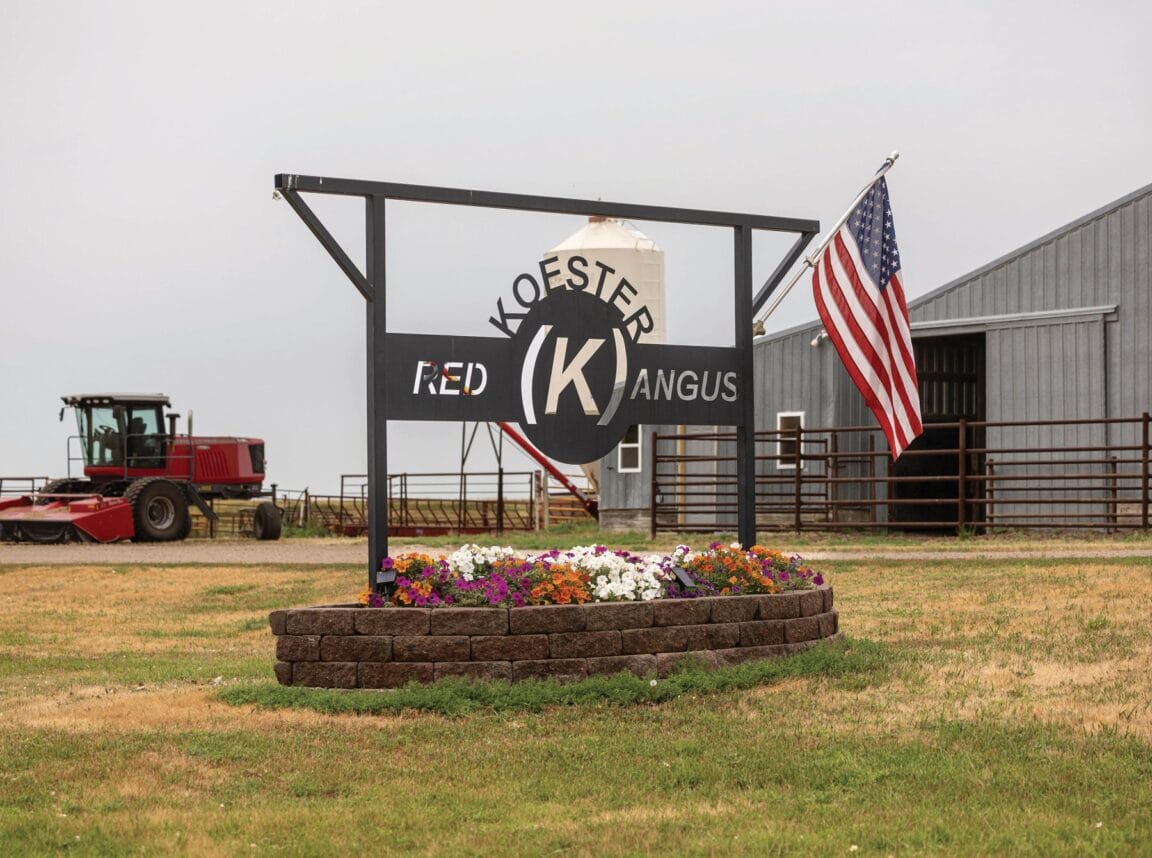
The Koesters operate Koester Red Angus near Steele, North Dakota, with approximately 220 cows and heifers calving this fall. Tracey also runs Cow Camp Promotions, helping other seedstock producers market their livestock. Time spent searching pastures is time away from that business and the ranch’s other responsibilities.
Their daughters once helped with tagging and weighing, but both are now married and involved with their own ranching families. This year’s summer intern left before calving began.
“That information that comes back has saved us a lot of time,” Koester said.
Starting With The Bulls
The Koesters began using 701x tags on their herd bulls in June. By late July, just before fall calving, they had added xTpro tags to their cows.
Fargo-based 701x develops cattle-monitoring technology and herd-management software. Its satellite-connected xTpro GPS ear tags provide location information, out-of-fence alerts, and activity monitoring without requiring ranchers to install antennas or base stations.
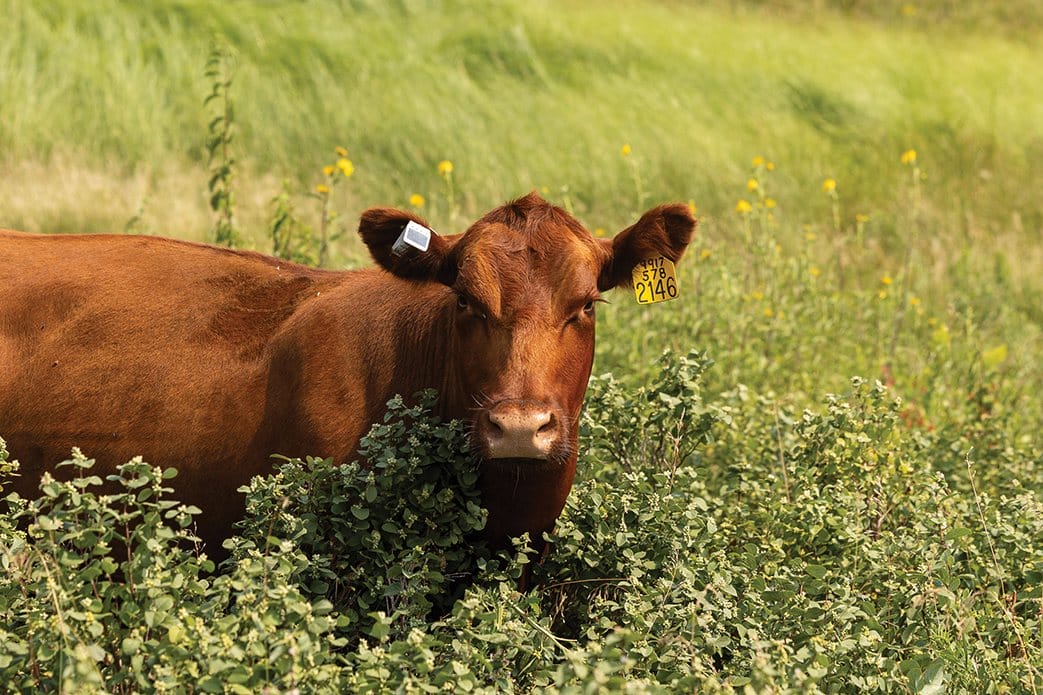
For the Koesters, the initial benefit was straightforward: when a bull left his designated pasture, they received an alert and could locate him faster. Calving brought another use. Instead of searching without knowing which cows had delivered, Tracey could check alerts and head toward the animals needing attention.
During the heaviest stretch, checking the app became her first task upon waking.
In tall grass and brush, that information mattered. Koester recalled several instances when alerts brought her attention to cows she otherwise would not have realized had calved. Location information, followed by the app’s Bluetooth-assisted search function, helped her find them nearby.
Without those tools, she said, some calves might have gone undiscovered for three or four days.
Support That Fits The Operation
The Koesters tagged their bulls themselves, following instructions provided with the equipment. Bringing the whole cow herd into the system felt like a larger undertaking, particularly with calving imminent and hot weather making efficiency important.
Two 701x team members, Sam and Kolbe, came to the ranch to help. Tracey had already supplied herd data, allowing the team to prepare animal records before processing. They helped as cows moved through the chute, checked the setup, and returned to the cattle after lunch to verify everything was working.

“They have been wonderful to work with,” Koester said.
The app also fit into her recordkeeping. With breeding records and cow information uploaded, she could add newborn calves and link them to their mothers’ records.
“The app is really very easy to use,” she said. “But, it’s like anything new. You have to spend a little time getting to know it.”
Protecting The Next Generation
One experience showed Koester that the benefits extended beyond convenience.
A heifer calf had crawled beneath a fence and become separated from her mother. Alerts helped Tracey locate the calf and reunite the pair. Without that information, she believes the separation could have gone unnoticed long enough for the calf to become seriously ill or die.

The heifer’s mother had produced a bull calf that sold for $22,000 in this year’s sale, Koester said. She was not assigning that same value to the heifer; she was recognizing the genetic potential that might otherwise have been lost.
“You don’t ever want to lose a calf,” she said.
For producers considering the technology, Koester recommends starting with herd bulls, then expanding to heifers or another age group as they become comfortable with the information.
For her own operation, she is pleased they went further. “I’m really glad we did the whole herd,” she said.
Learn more at: 701x.com | Facebook | Instagram
Read this story as it appears in the September/October issue: