Built Around The Farmer
By Brady Drake | J. Alan Paul Photography
For many grain elevators, harvest means longer hours. At Radium, Inc., it can mean sleeping at the facility.
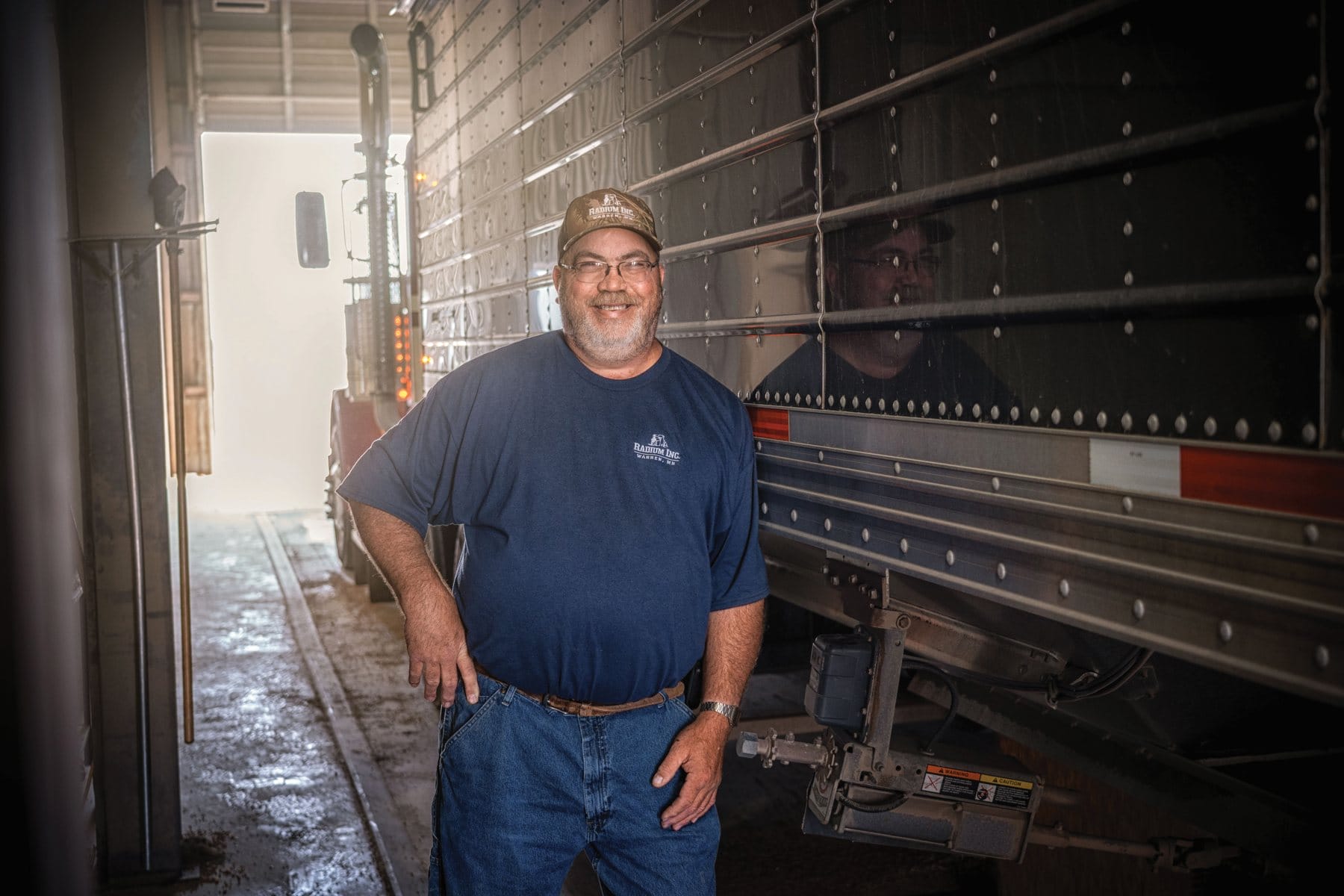
During a busy fall, Robert Balstad may remain on site overnight so he can move grain, make storage room, and keep trucks flowing the next morning. In the season he described during his Spotlight Media interview, that had already happened several times.
The gesture reveals how he thinks about the business. A farmer arriving with a loaded truck is not an interruption to the day’s work. That farmer is the work.
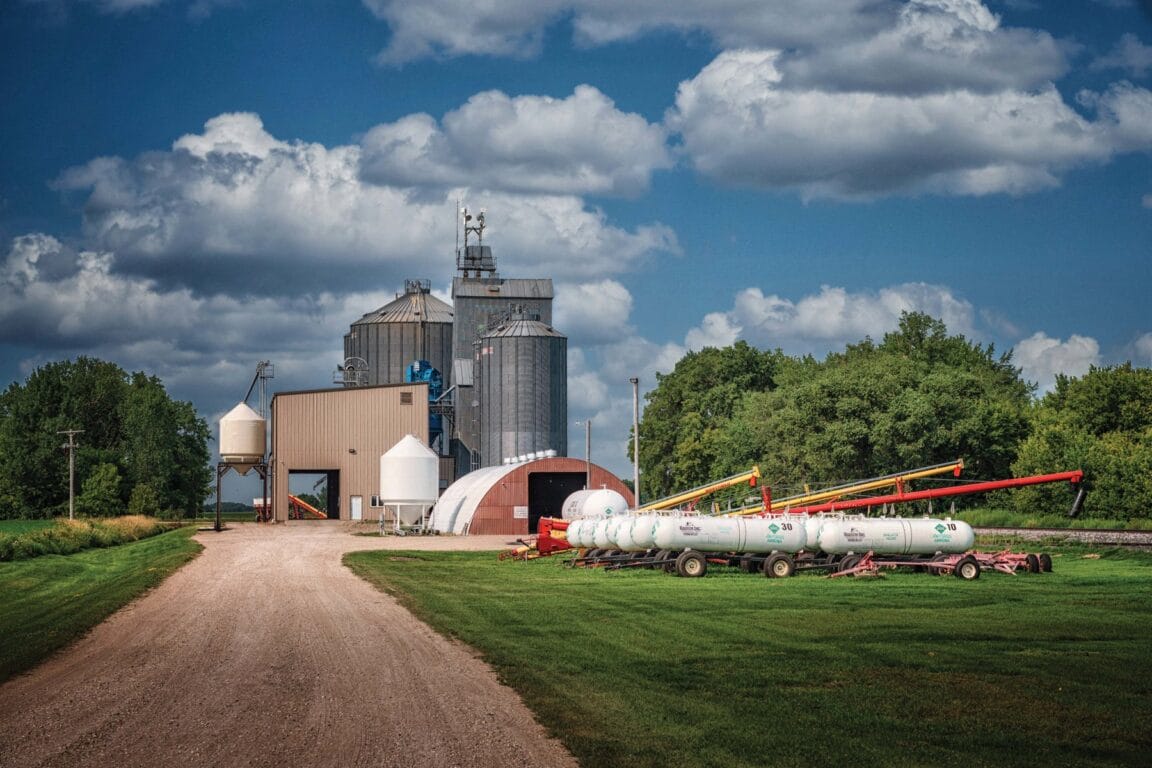
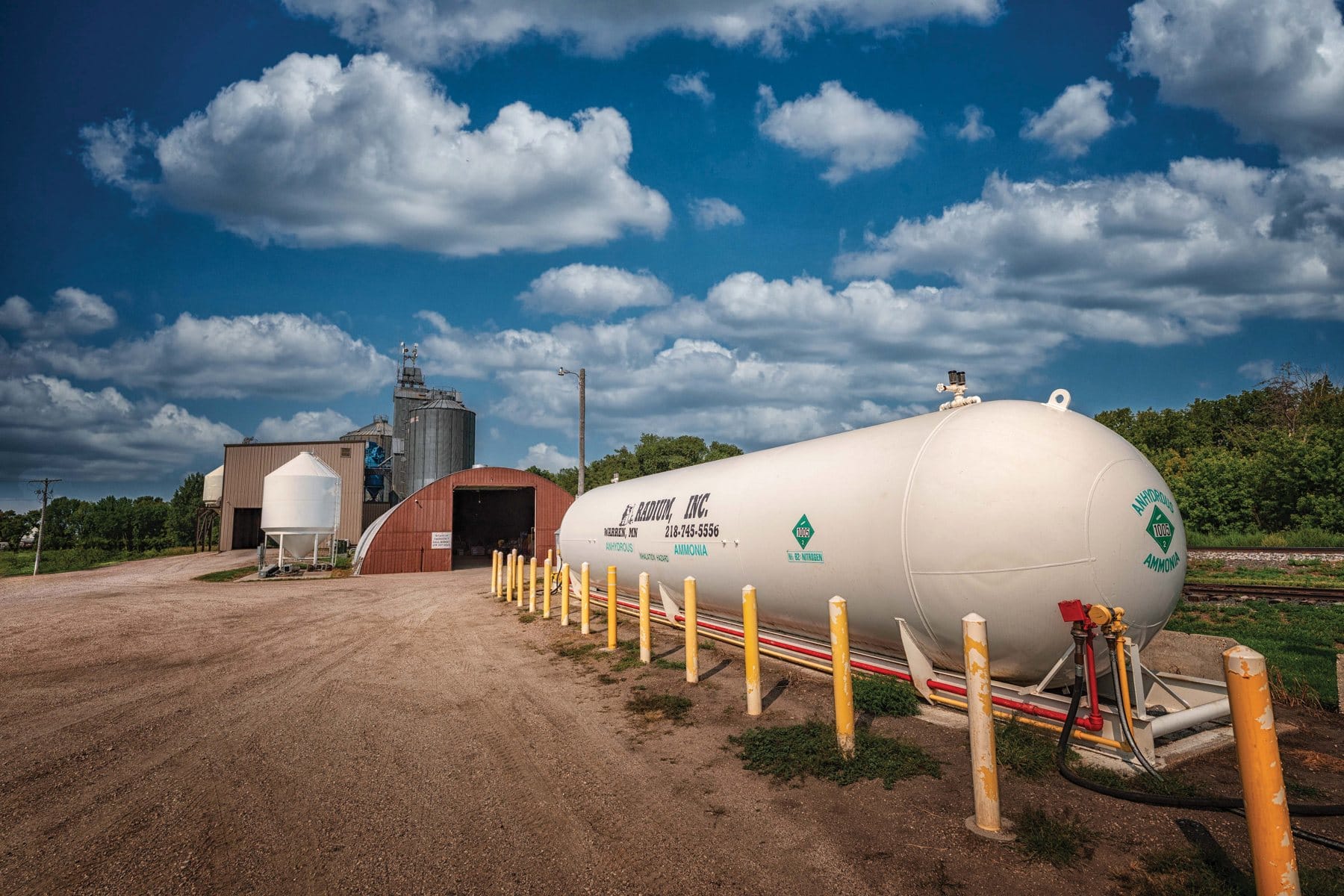
Radium is an independent grain elevator near Warren, Minnesota, located at 26188 241st Street. Its primary business is buying and selling grain, with services that also include seed and crop-protection products, seed cleaning and treating, and anhydrous ammonia. The company’s website publishes cash bids for corn, soybeans, and spring wheat, along with protein scales—public numbers that create the starting point for a much more individual conversation.
The value Robert wants to provide begins after the price board.
Start With The Farm
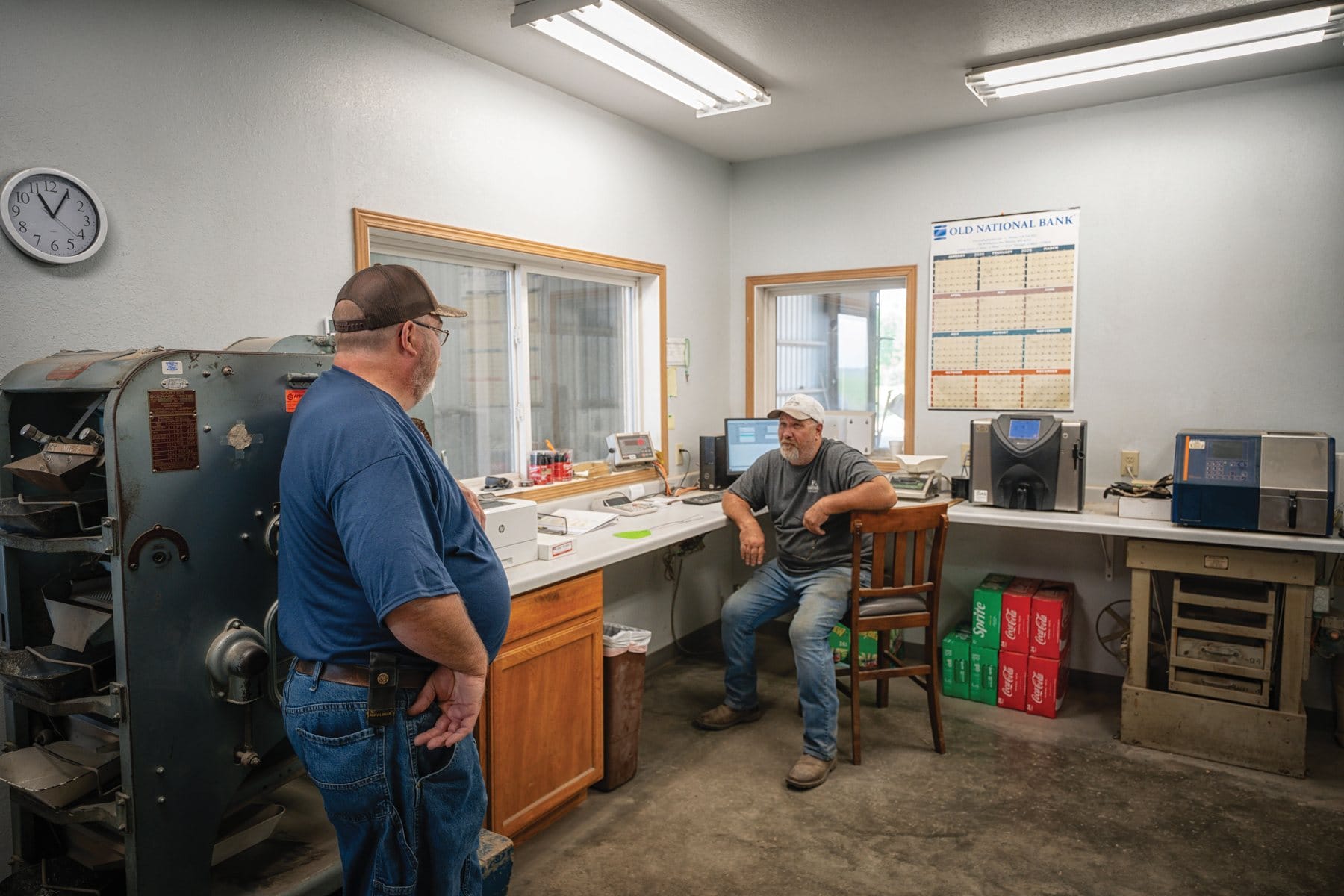
When a producer walks in, Robert’s first task is not to push a standard plan. It is to understand the operation.
How many acres are involved? Which crops are in rotation? What storage is available on the farm? When will cash be needed? Which seed or chemical products have worked? What is the producer trying to improve?
Those questions matter because two farms growing the same crop can have very different cost structures, debt obligations, storage capacity and risk tolerance. A marketing decision that is sensible for one may be impossible for another.
That is why Robert resists universal advice. He wants to know the farm’s numbers and goals before discussing the next move. If Radium does not stock a particular wheat variety a customer needs, the team will try to source it. If harvest conditions require extra hours, they make the hours. If space is tight, Robert looks for a way to create it.
The approach is personal by design. Robert estimated that Radium serves roughly 100 customers with a team of four, including office support. That scale gives the company enough reach to offer multiple services while remaining close to the people making daily decisions in the field.
It also means there is nowhere for indifference to hide. A delayed truck, a missed call or an incomplete answer is felt immediately.
The elevator may stand beside the field, but the business is built around the farmer.
The Discipline Of Selling
Grain marketing creates a special kind of pressure because the market always provides a new price—and hindsight always reveals the price a producer could have received.
Robert’s most consistent counsel is to avoid making the entire crop depend on finding the top. When prices are moving upward, he encourages producers to sell portions along the way, provided the sales meet the farm’s goals and cover its needs. The strategy does not promise the highest possible price. It reduces the chance that indecision turns a favorable market into a missed opportunity.
University of Minnesota Extension offers similar guidance: sell more frequently to reduce emotional decision-making, plan for cash flow and storage, review markets regularly and judge a sale against cost of production rather than an impossible standard of perfect timing.
That final point is crucial. The most impressive market call means little if the farm’s cash needs, storage constraints or input bills make it unusable. A marketing plan must belong to the operation that will live with it.
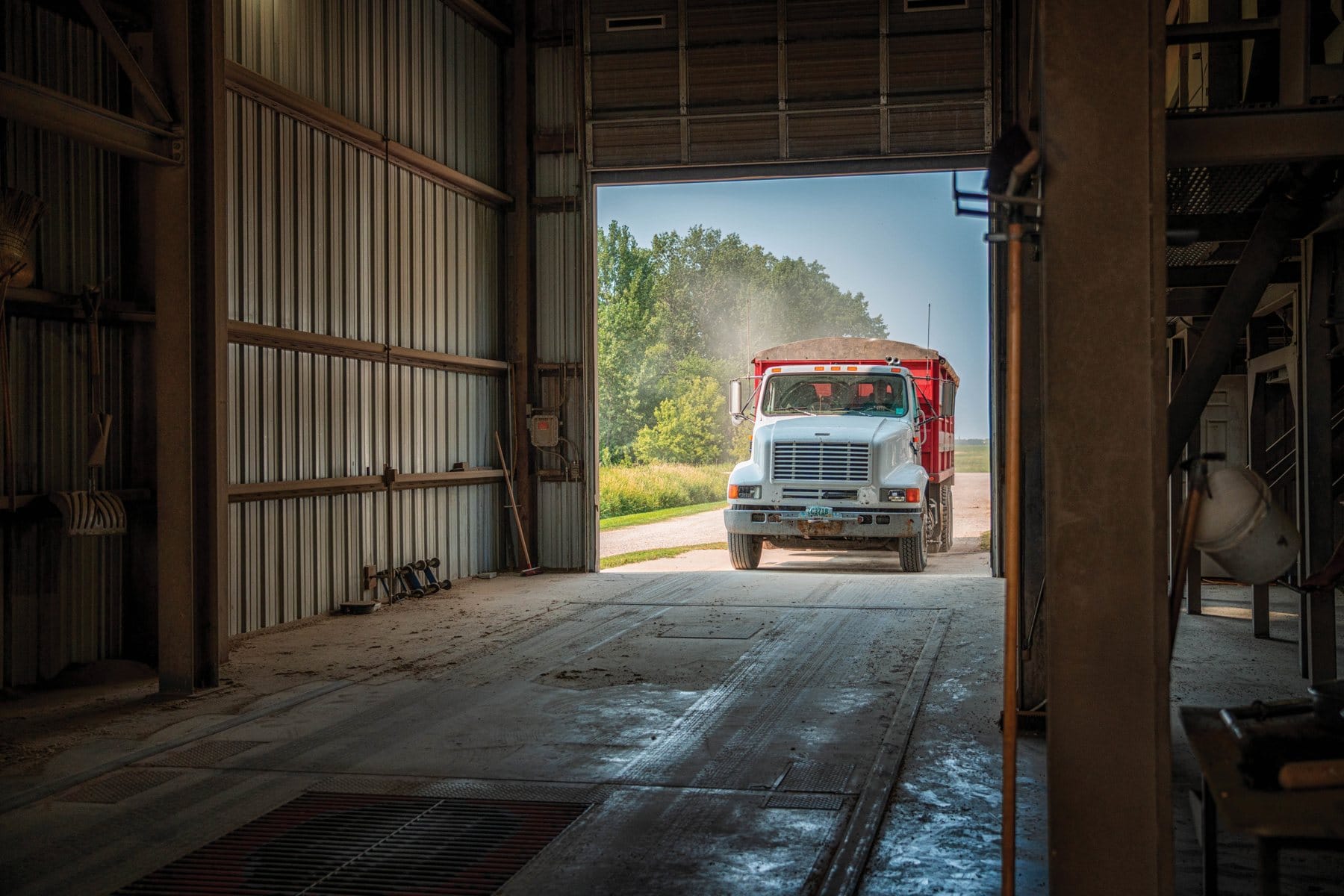
Robert’s role is part merchant, part translator, and part sounding board. He watches bids and futures, but he also pays attention to the practical details behind a decision. The farmer remains the decision-maker. Radium’s job is to make the decision more informed.
Experience On Both Sides Of The Counter
Robert grew up on a dairy farm, where agricultural work was measured in daily responsibilities rather than abstract market concepts. He later built a 22-year career in the grain industry, including 14 years in Stephen, three in Warren, and four at his current location at the time of the interview.
That combination—farm upbringing and elevator experience—helps him understand the emotional weight behind a load of grain. It is inventory, but it is also a season of seed, fuel, weather, labor, and risk.
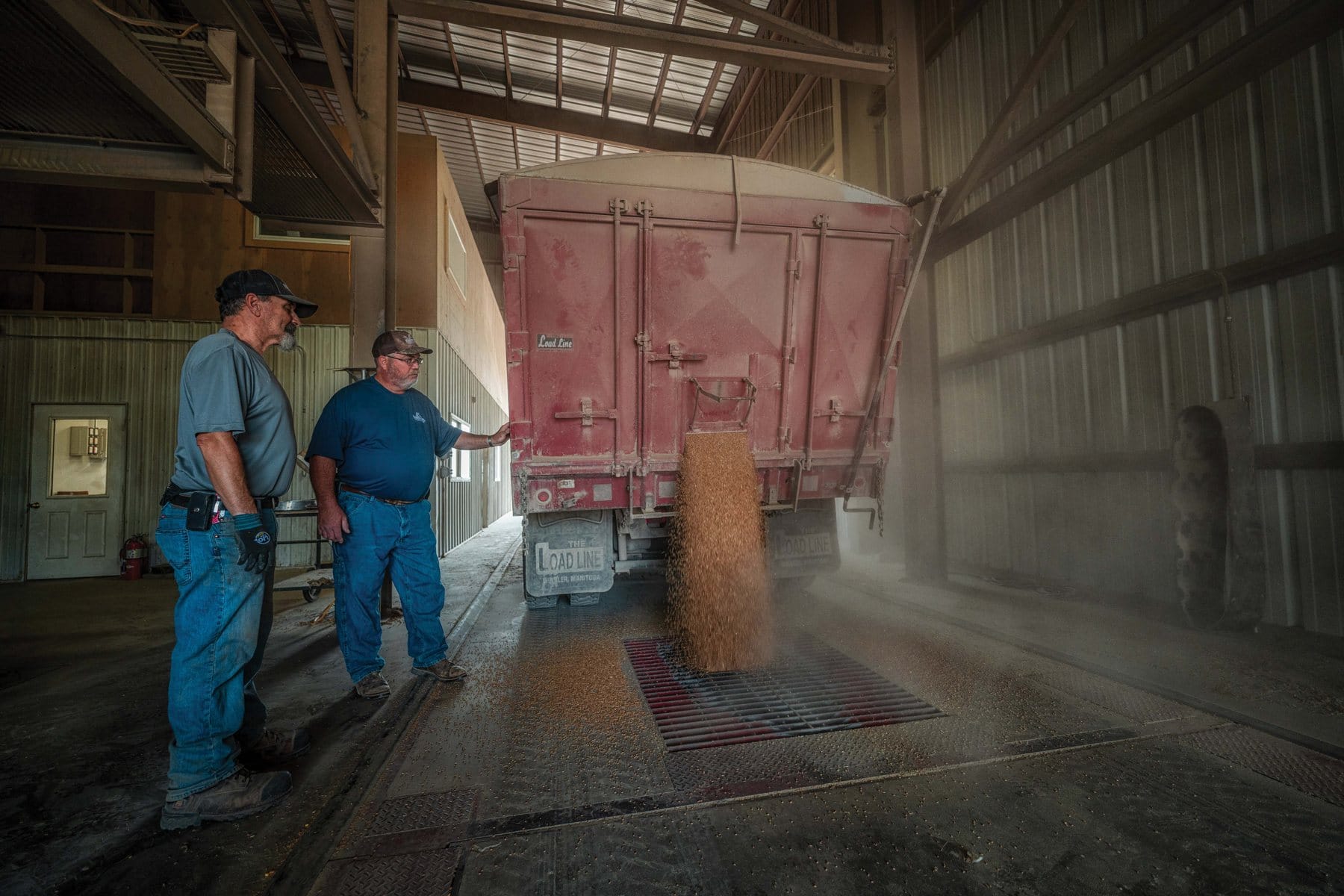
The grain business has taught him that trust compounds slowly. A producer notices who returns a call, who explains an unfamiliar contract, who looks for a seed variety, and who is still answering when harvest runs late. Those actions become the reputation that advertising alone cannot manufacture.
Radium has grown largely through word of mouth. Robert believes that it only works when service is consistent across farm sizes. A smaller producer should receive the same attention as the largest account. The number of acres may change the volume of a transaction, but it should not change the level of respect.
Capacity For What Comes Next
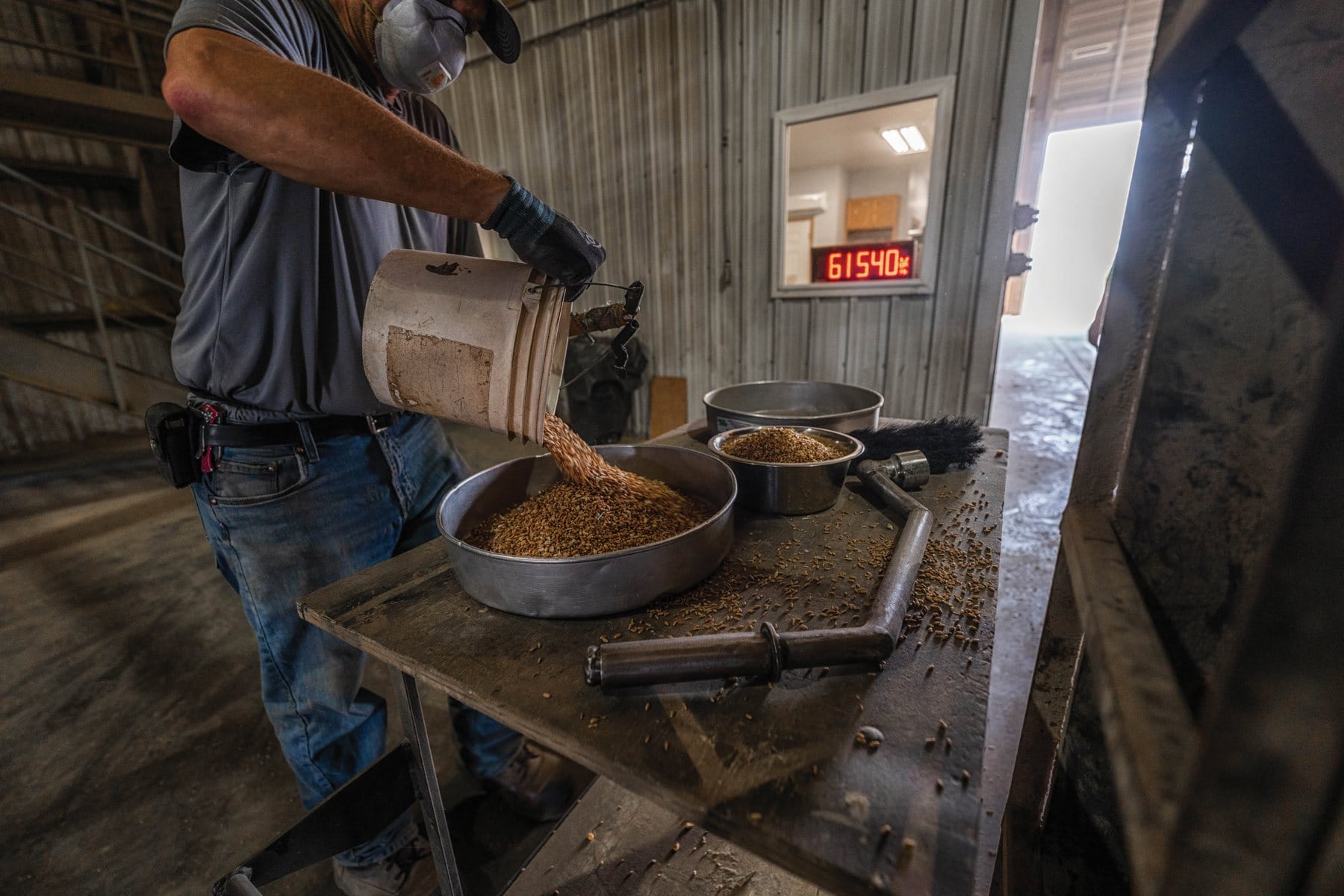
Responsiveness becomes harder as a business grows, especially during harvest. Radium has been evaluating facility expansion to improve speed and capacity. More room could reduce the number of overnight scrambles and help the team receive grain more efficiently when every producer is working against weather and time.
But physical expansion is only useful if the culture expands with it. Robert does not want growth to turn customers into account numbers or replace direct conversations with a generic process.
That balance defines the opportunity ahead. Agriculture is becoming more technologically sophisticated, and grain markets can move in response to events around the world. Producers have access to more data than ever. What they often need is someone local who can connect that information to the realities of a specific farm.
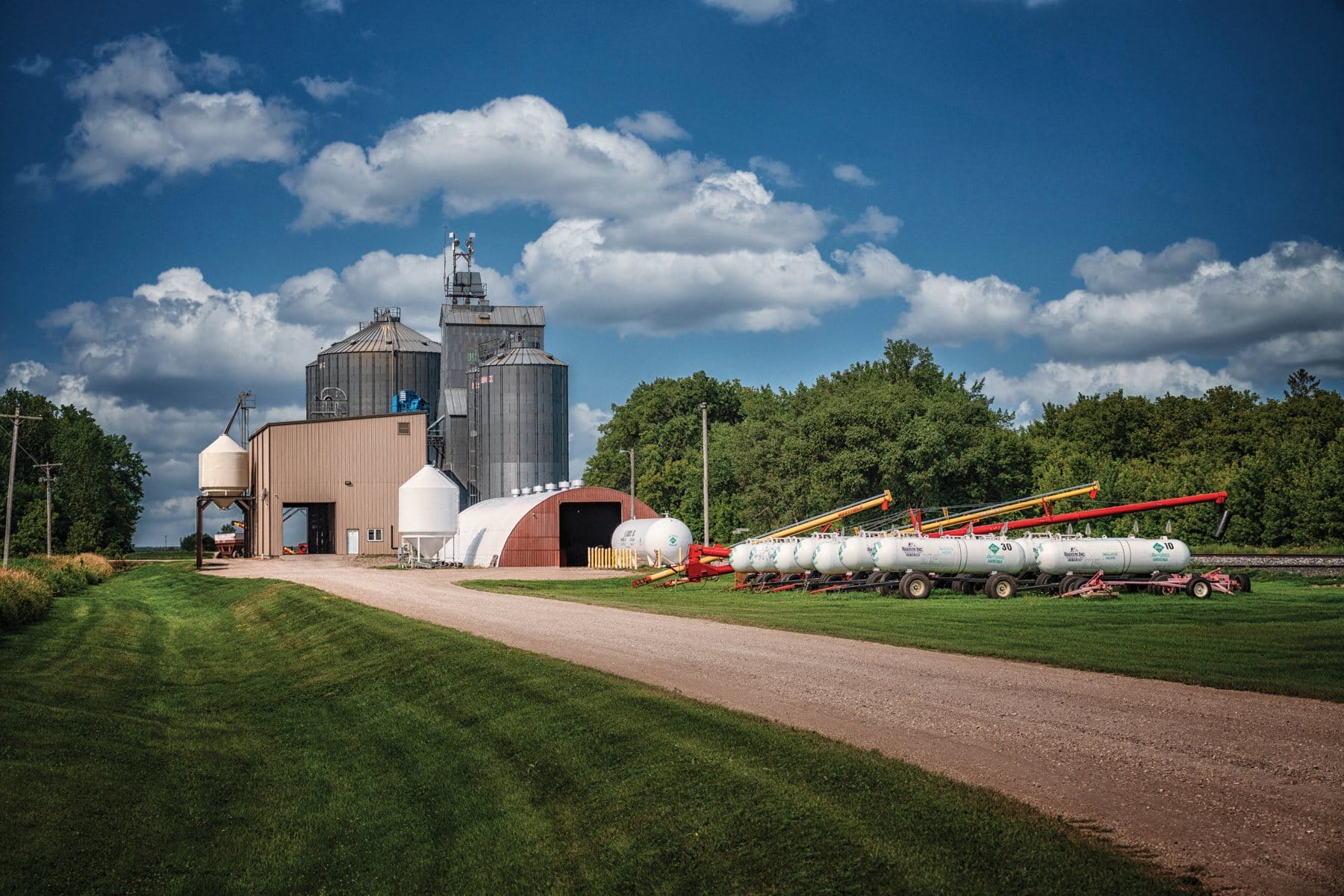
At Radium, the answer is not a grand formula. It is a small team that knows the customer, watches the market, and remains willing to do the unglamorous work—sometimes through the night—to keep harvest moving.
The elevator may stand beside the field, but the business is built around the farmer.
radiumincelevator.com | 218-745-5556
Read this story as it appears in the September/October issue: