Innovation is a mindset, not just a skill set. It’s about looking past the technology to lead with boldness, resilience, and inclusivity. Innovation requires rethinking how we co-create together, not just upgrading our technology stack. Innovation is about creating explicit value for the customer.
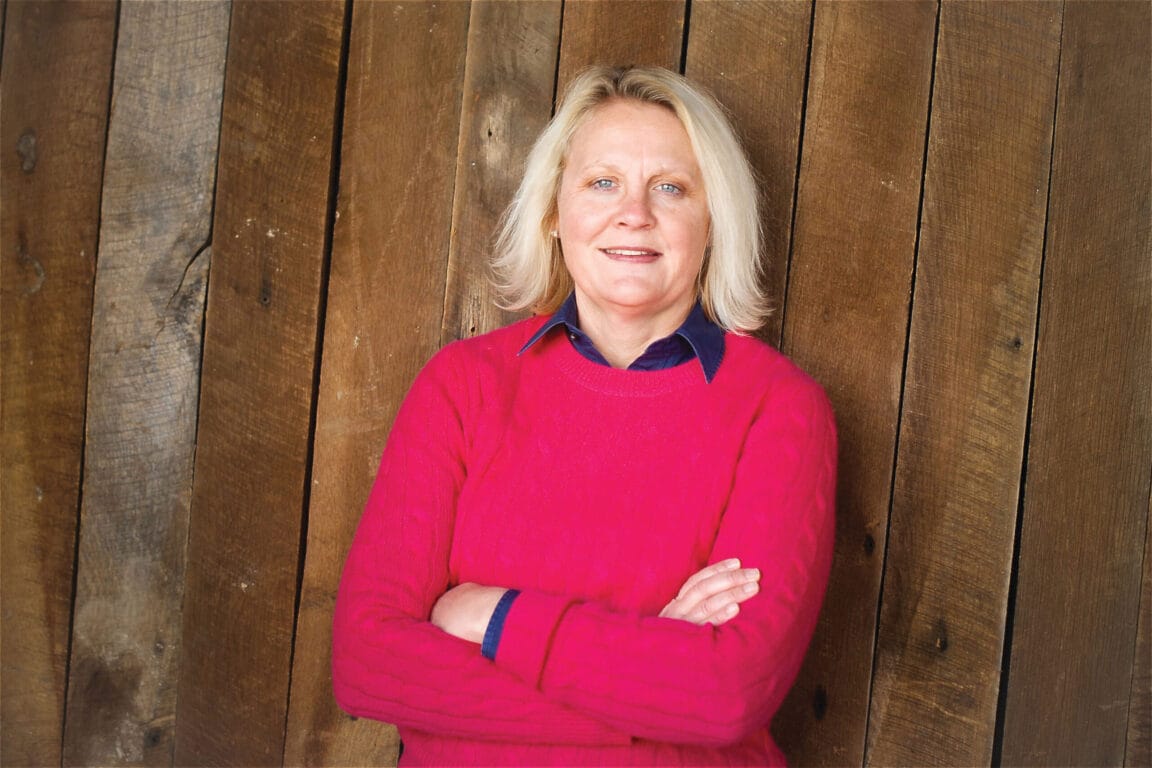
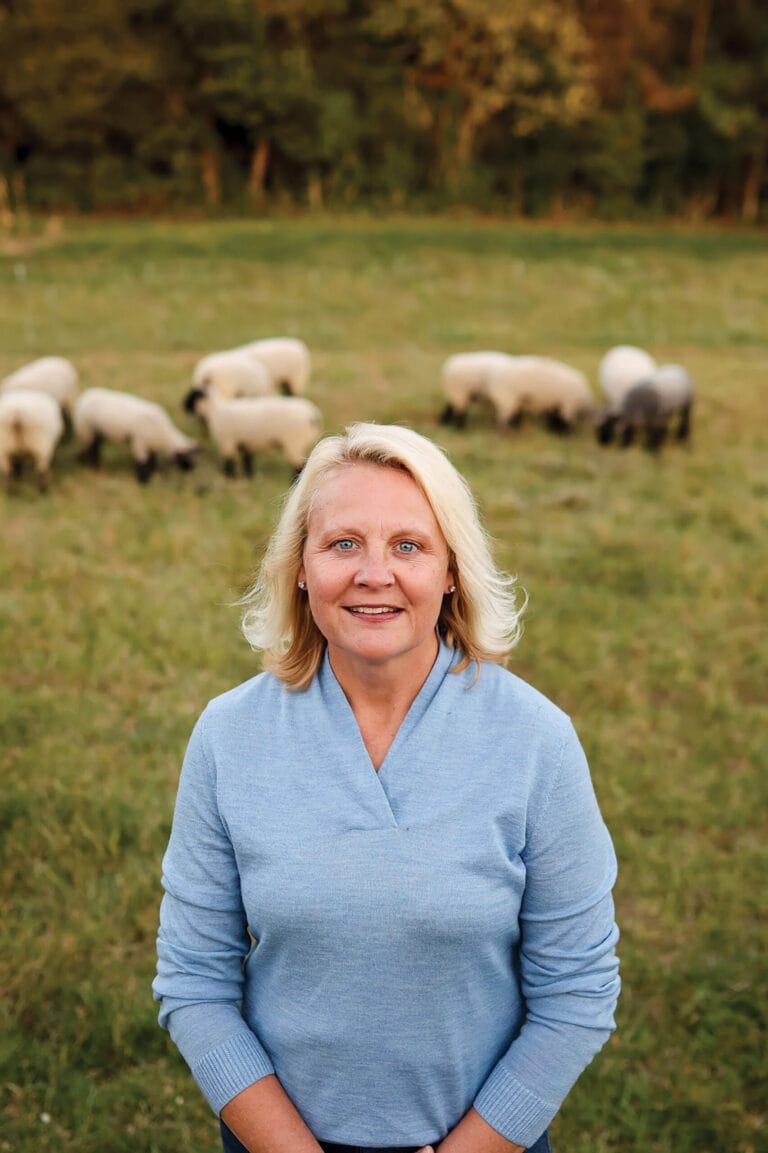
Shannon Hauf, PhD, Senior Vice President and Head of Seed Production Innovation, Bayer Crop Science, knows this, which is why we interviewed her to learn more about innovation.
Management at Bayer Agricultural
Q: With Bayer’s new initiatives to connect seed innovation directly with low-carbon biofuel markets, how are you adjusting your logistics and supplier strategies in the red river valley to accommodate demand for more traceable and environmentally sustainable products?
A: Our 32-location footprint across the U.S. includes a key dedicated team in Fargo, and as we look at our operations, we’re the largest seed production company in the world. We try to do the right things across all our sites and support the farmers we’re partnering with. This is to help them achieve good yields and superb quality, while also enabling sustainable practice in the production of those seeds.
When it makes sense for the farmer’s operation, this includes utilizing reduced tillage and cover cropping, which are practices that improve soil structure. Many of them are utilizing cover crops and implementing precision farming practices throughout the growing season, and they’re using tools that provide a digital receipt of those practices. So, every herbicide used, every fungicide used, if there’s an insecticide, everything is tracked through a digital tool. That’s important in driving measurable, predictable outcomes, and this encompasses more than environmental sustainability. What our customers are looking for is a highquality product.
The importance of that outcome can’t be understated when discussing traceability.
Q: And what are some of those precision agriculture products?
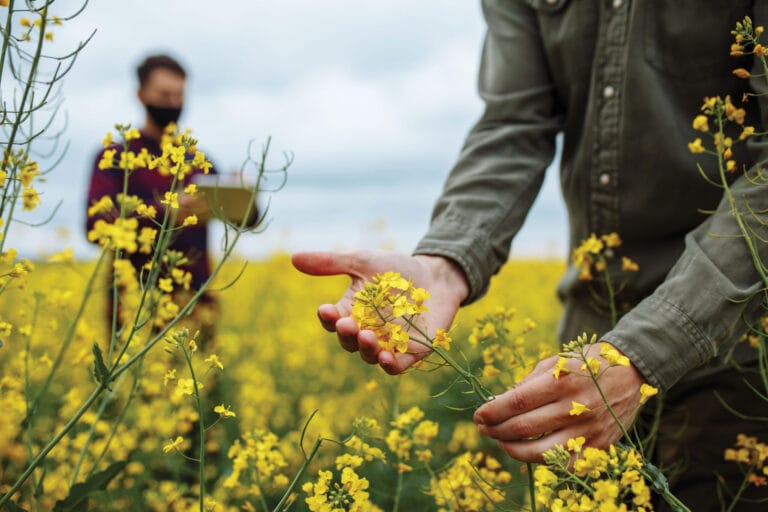
A: There are three seasonal crops in our sphere regarding low intensity low carbon intensity crops: 1) camelina; 2) winter canola; and 3) CoverCress.
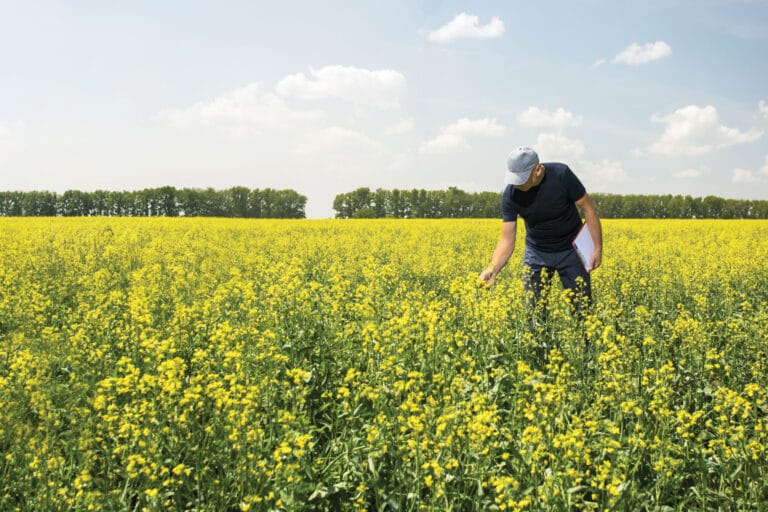
Our new multi-crop seed brand newgold® in 2026 was engineered to provide low-carbon intensity oilseed crops (like camelina and winter canola) for the renewable fuel market. It is strategically positioned in the northern and southern Great Plains regions with the goal of being a “profit multiplier” for farmers, aiming to fit between existing seasons or on underutilized land.
The first crop, which is super exciting because this is the space that would be in the North Dakota geography, is around camelina. We secured our first order on day one of the announcement, so we have customers ready to grow camelina in Montana, western North Dakota, Saskatchewan, and Alberta, and deliver it to local crushers to produce a key ingredient in sustainable aviation fuel (SAF). It’s about creating new revenue opportunities and new value streams for our customers in those geographies, and we’re poised to further expand the footprint between 2026 and 2027.
There are two other crops we’re looking at in this space. The first is winter canola, the same crop you plant in North Dakota, except you plant it in the fall and harvest in the spring. This will be in areas where you plant winter wheat – the southern Great Plains of Kansas, Oklahoma, and northern Texas.
The third is CoverCress. It’s pennycress, where we’ve applied some gene editing technology, and we can utilize this as a Midwest cover crop that can be harvested in the spring as a cash crop for the production of SAF. It’s perfect in a crop rotation for many of the farmers we partner with for seed production. First, they plant their seed corn, and seed corn grown for production is harvested early, typically in August or September. So instead of the field remaining bare and unprotected for a long period of time, they can plant CoverCress, which provides the dual benefit of soil protection and a harvestable, profitable spring crop. Then you can go back and plant soybeans following spring harvest. In that system, you can get three revenue streams in two years—three harvested crops—versus the typical corn-soy rotation.
On Technology & Operational Efficiency:
Q: The agricultural supply chain is increasingly turning to AI and autonomous technologies to boost efficiency. How is your team balancing the integration of these digital tools with the need to keep our supply chains nimble against 2026’s predicted climate volatility and trade turbulence?
A: During the early days, artificial intelligence was synonymous with predictive modeling, aimed at leveraging historical data to predict future outcomes. We’ve been at this now for more than a decade in our seed production footprint. Back then, around the 2013-2015 timeframe, we already had more internal data than you could possibly know what to do with, so we put predictive models to work to unlock new economies of scale and drive a nearly 40% increase in yields, which optimized operational expenditures. Today, we use an Al systemwide for transportation and logistics at all sites. We also cultivate strategic partnerships, including with industry leaders in the Red River Valley, to provide transportation management solutions.
Al isn’t going to replace people, but what might replace people is people who use Al. The path forward is a collaborative, human-in-the-loop Al models. For example, our Transportation Management System (TMS) is an Al platform that can help bridge gaps between ERP systems and our warehouse operations, but if it snows eight inches in the wee hours of rural lowa, we need informed people who can adjust quickly based on what’s happening in real time at daybreak.
At the end of the day, it protects our teams’ time. It’s smart people who are utilizing this technology to do their job better.
This delivers value, optimizing both revenue generation and cost efficiency.
On New Americans/Diverse Talent Pipeline
Q: I understand Bayer has expanded its F.A.R.M. Program (fostering ag resilience through mentorship) to build a future talent pipeline. How are you working with new Americans or diverse, non-traditional candidates to fill crucial roles in logistics and field operations?
A: We recognize that fostering resilience, trust-based relationships, and innovation is critical to expanding our talent pipeline while driving community impact and economic stability in farming communities.
The F.A.R.M. program with Fresh Harvest 365 provides internships with individuals from diverse populations. The majority of interns in this program have a limited background in agriculture or plant sciences. However, they’re all eager to learn the foundations of agriculture. We’ve found that introducing them to plant sciences sparks a lasting passion for the field. These students – many right out of high school – come in and do splendid work, and then they go on to pursue degrees in agriculture and ag-adjacent fields.
Our goal is to create synergy between diverse job seekers and employers in our industry. While working to learn the trade with our scientists, apprentices acquire practical, hands-on technical skills in a true earn-and-learn model. It combines 210+ hours of e-learning with 3,000 hours of paid, hands-on STEM-based agricultural training. By taking a “talent first” mentality, we believe we can build a resilient talent pipeline while nurturing a positive economic impact for all.
On Workforce Development & Community Impact:
Q: Following the success of partnerships like fresh harvest 365, how is Bayer bridging the gap between community colleges, new American communities, and direct employment opportunities within the agricultural supply chain?
A: We’re swiftly closing the skills gap by providing opportunities for individuals to learn the trade with our crop scientists. This allows student apprentices to acquire the practical, hands-on technical skills in a true “earn-and learn” model.
Starting in the St. Louis region, the Fresh Harvest 365 program has helped solve the annual challenge of hiring seasonal workers. By providing structured, hands-on, and mentored training, it’s helping ensure a steady stream of qualified, experienced individuals entering both Bayer’s and the broader agriculture workforce. Many are pursuing post-secondary degrees in agricultural sciences, driven by their surging interest in sustainable practices and agricultural technology. This has been such a rewarding venture, and our company gets tremendous value.
On Future-proofing The Workforce
Q: As you look forward to 2026, what specific skills or perspectives are you hoping to bring into your supply chain teams to handle the next phase of Bayer’s growth?
A: Innovation is a mindset, not just a skill set. It’s about looking past the technology to lead with boldness, resilience, and inclusivity. Innovation requires rethinking how we co-create together, not just upgrading our technology stack. Innovation is about creating explicit value for the customer.
And the bottom line is this: Agriculture is stronger when diverse individuals are included! We’re actively embedding diverse perspectives bringing together a high-performing workforce to achieve superior business performance.

bayer.com
Facebook | /bayer
Instagram | @bayerofficial
Linkedin | /bayer